
When Should I Switch My Heat Pump Emergency Heat?
Updated: Feb 17
If you have a heat pump, you might wonder when it's the right time to switch on the emergency, also commonly called auxiliary, heat. Knowing the right time to use this feature can save you money and keep your home comfortable during cold weather. This guide explains when and why you should turn on emergency heat, helping you make the best choice for your heating system.

What Is Emergency Heat on a Heat Pump?
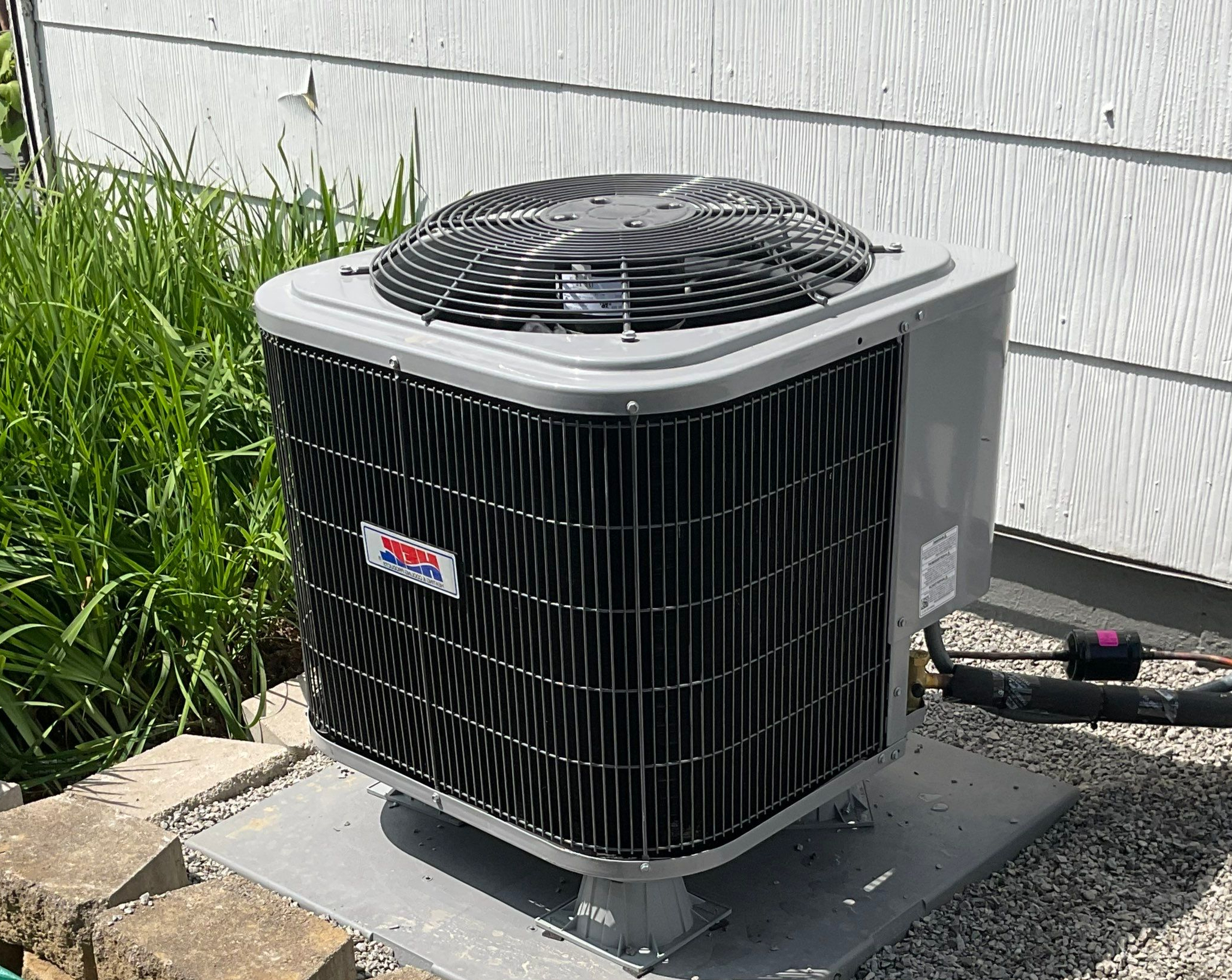
Emergency heat, also called auxiliary heat, is a backup heating system built into your heat pump. It usually runs on electric resistance coils or a gas furnace. This backup kicks on when the heat pump alone cannot keep your home warm enough. Emergency heat uses more energy and costs more to run, so it should only be used when necessary.
How Does a Heat Pump Work in Cold Weather?
Heat pumps move heat from outside to inside your home. They work efficiently when temperatures are above freezing. But when it gets very cold, usually below 35°F, the heat pump struggles to extract enough heat from the outside air. At this point, the system may switch to emergency heat to maintain your desired indoor temperature. When the outdoor temperature drops below 20°F, you lose almost 50% of your heat pump's heating capacity.
When Should You Turn On Emergency Heat?
Your heat pump usually switches to emergency heat automatically when it detects that it cannot keep up with heating demand. However, there are times when you might want to turn it on manually:
Extreme Cold Spells
When outdoor temperatures drop well below freezing, your heat pump may not provide enough warmth. Turning on emergency heat ensures your home stays comfortable.
Heat Pump Malfunction
If your heat pump stops working or is under repair, emergency heat can keep your home warm until the system is fixed.
Defrost Cycle Issues
Heat pumps have a defrost cycle to remove ice buildup. If this cycle fails, the outdoor unit may freeze, reducing efficiency. Emergency heat can help maintain warmth during this time.
Rapid Temperature Changes
When you need to quickly raise the indoor temperature, emergency heat can provide faster warmth than the heat pump alone.
How to Turn On Emergency Heat Safely
Before switching to emergency heat, check your thermostat settings. Most modern thermostats have an emergency heat mode. Here’s how to do it:
Locate the emergency heat or auxiliary heat button on your thermostat.
Switch the system from "Heat Pump" mode to "Emergency Heat."
Monitor your energy use and indoor temperature.
Turn off emergency heat once outdoor temperatures rise or your heat pump is repaired.
Avoid leaving emergency heat on for long periods because it consumes more electricity and increases your heating bills.
Signs You Might Need Emergency Heat
Watch for these signs that your heat pump is struggling:
Your home feels colder than usual despite the heat pump running.
The outdoor unit is covered in ice or frost.
The heat pump runs constantly without reaching the set temperature.
You hear unusual noises from the heat pump.
If you notice any of these, switching to emergency heat can prevent discomfort and potential damage to your system.

Tips to Use Emergency Heat Efficiently
Use emergency heat only when necessary to avoid high energy costs.
Keep your heat pump well-maintained with regular cleaning and inspections.
Seal drafts and insulate your home to reduce heat loss.
Set your thermostat to a consistent temperature to avoid frequent switching.
Consider lowering the indoor temperature on your thermostat during extreme outdoor conditions.
When Not to Use Emergency Heat
Do not turn on emergency heat if your heat pump is working fine and outdoor temperatures are mild. Using emergency heat unnecessarily wastes energy and increases your utility bills. Also, avoid using emergency heat as your primary heating source unless your heat pump is broken.
Final Thoughts
Knowing when to turn on emergency heat for your heat pump helps you stay warm without overspending. Use emergency heat during very cold weather, heat pump issues, or when you need quick warmth. Always switch it off when conditions improve to save energy. If you’re unsure, consult a heating professional to inspect your system and guide you on the best use of emergency heat.
To speak with on our heating and cooling experts or to set up a service call today, call or text (304)-675-7426 or book here on our website!


Comments