
Is a JB Extended Labor Warranty Right for You?
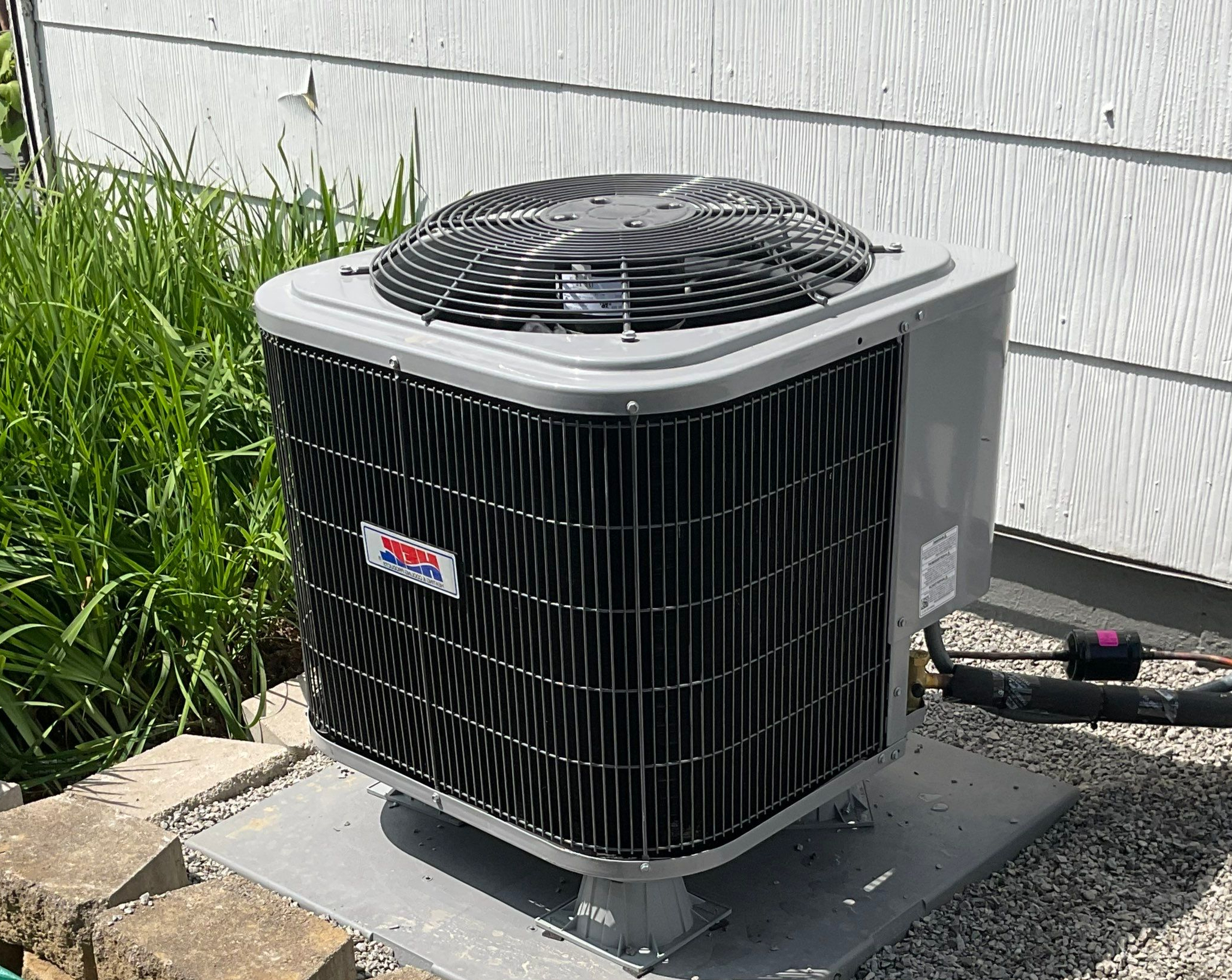
A new HVAC system is one of the bigger purchases a homeowner can make, and the invoice is only part of the story. The real question is what happens after the system is installed.
Most manufacturers include a parts warranty on new equipment when it is registered properly. That can be a big help if a covered part fails, but parts are not the whole repair bill. Labor, diagnostic time, trip charges, and refrigerant can turn a “covered” repair into a surprisingly expensive visit. Here at Point Heating & Air, we offer a standard one-year labor warranty that comes with every new system installation. In an effort to take care of our customers and community, we offer select extended labor warranties from JB Warranties that include refrigerant for up to 10 years!
With the addition of a JB warranty on your new system installation, parts, labor, and refrigerant could all be covered for up to 10 years after the date of installation (depending on your plan and equipment).

What an Extended HVAC Labor and Refrigerant Warranty Covers
A standard HVAC equipment warranty often covers certain parts for a set number of years. If a covered compressor, coil, motor, control board, or other part fails during that window, the manufacturer may provide the replacement part at no cost to you.
But that does not always mean the repair is free.
Labor is usually separate. Someone still has to diagnose the problem, remove the failed component, install the replacement, pressure test the system, recharge it if needed, and confirm everything works. Depending on the repair, labor can be a large part of the total cost.
An extended labor warranty is designed to help cover those labor costs for covered repairs. A plan that also includes refrigerant coverage goes one step further by helping cover the cost of refrigerant needed during a covered repair. That means a repair that could usually cost $1,000-2,000, would be completed covered!
That can matter more than many homeowners realize.
Refrigerant is not used up like fuel. If a system is low, there is usually a leak or another issue that needs attention. Some repairs, especially coil- or compressor-related repairs, may require refrigerant recovery, evacuation, and recharge. If refrigerant is included under the warranty terms, that can reduce a major out-of-pocket expense.
The Biggest Pros of Extended Labor and Refrigerant Coverage
The main benefit is simple: fewer surprise repair costs during the warranty period. HVAC systems are built to last beyond 10 years, but they are still mechanical systems. Motors fail. Capacitors weaken. Coils can leak. Control boards can go bad. Compressors can have issues.
Even when a part is covered by the manufacturer, a homeowner may still face labor and refrigerant costs. A strong extended warranty helps close that gap.
Pros
More predictable repair costs (or $0 repair costs)
Labor coverage
Refrigerant coverage
Better long-term peace of mind
Good match for high-use systems
Why It Matters
Helps protect your budget if a covered failure happens
Reduces the cost of the technician’s time and repair work
Can be valuable when repairs require a system recharge
Makes ownership less stressful during the first 10 years
Systems in hot or humid climates often run many hours per year
One of the strongest arguments for this type of warranty is that labor rates rarely go down over time. A repair that feels manageable today may cost more several years from now. A 10-year labor warranty can give some protection against that uncertainty.
Refrigerant coverage is also a meaningful feature. Refrigerant prices can vary based on type, supply, regulations, and availability. Older refrigerants have already become more costly over time, and newer refrigerant transitions can affect pricing too. No warranty can remove every future variable, but including refrigerant can make the plan more complete.

The Cons and Limits to Understand Before You Buy
An extended warranty is not the same as a blank check. The value depends on the plan price, the coverage terms, and how claims are handled.
The first downside is the upfront cost. If the system performs well for 10 years with only minor service needs, the warranty may cost more than the repairs would have. That does not make it a bad decision. Insurance-style products are often about reducing risk, not trying to “win” financially. Still, it is a real tradeoff.
The second downside is exclusions. Most labor warranties do not cover every possible problem. Common exclusions may include:
Lack of required maintenance
Damage from storms, flooding, fire, or power surges (this would depend on your insurance to cover)
Improper use or changes to the system not made by a qualified HVAC professional
Airflow problems caused by dirty filters or blocked ducts
Cosmetic issues
Accessories not listed in the agreement
Repairs made by non-approved contractors
Pre-existing issues on equipment not installed under the plan
When a JB Warranty May Make the Most Sense
This type of coverage is usually most attractive when the HVAC system is new, the home will be occupied for several years, and repair budget stability matters.
A 5 or 10-year HVAC labor warranty with refrigerant coverage may make sense if:
You are installing a new heat pump, air conditioner, or full HVAC system
You want stronger protection beyond the manufacturer parts warranty
Your system will run heavily because of climate or household comfort needs
You prefer predictable costs over taking on repair risk yourself
You do not want refrigerant costs to surprise you during a covered repair
It may also be appealing if the equipment is more complex. Variable-speed systems, communicating controls, high-efficiency heat pumps, and advanced indoor comfort setups can perform very well, but repair labor can be more involved than on basic equipment.
A warranty can also be useful for rental properties or second homes. If you are not always present to manage repairs, having coverage tied to a known service process can simplify decision-making.
The key is to compare the warranty cost against your tolerance for surprise expenses. If a major repair would create stress or financial strain, coverage has value beyond the math.
The Takeaway
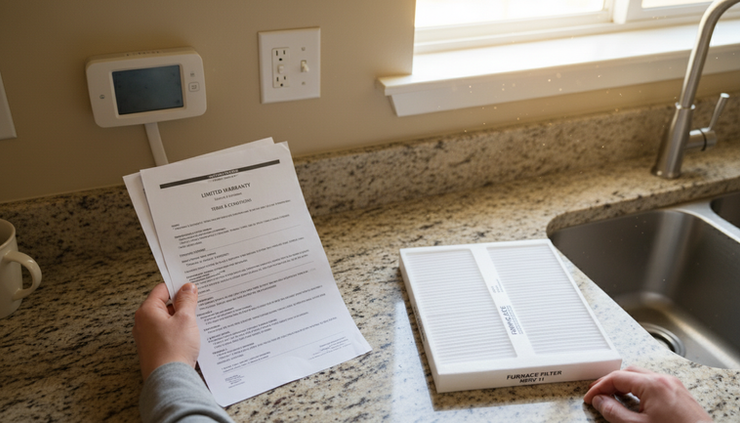
A JB Extended Labor Warranty can be a good choice if you want stronger protection than a standard manufacturer parts warranty. The biggest advantages are predictable repair costs, covered labor, and help with refrigerant expenses during covered repairs.
The trade-offs are the upfront cost and exclusions.
If you have any questions regarding our labor warranties, we're here for YOU! Please call or text our office at (304)-675-7426, or email office@pointheatingandair.com.
Ready to book a FREE estimate on a new system? Contact us, or book online!


Comments